Bringing Efforts Together Towards a Shared Social Fabric
What if rebuilding Sudan begins not with asking who should lead the effort, but with questioning whose contributions have yet to be recognised?
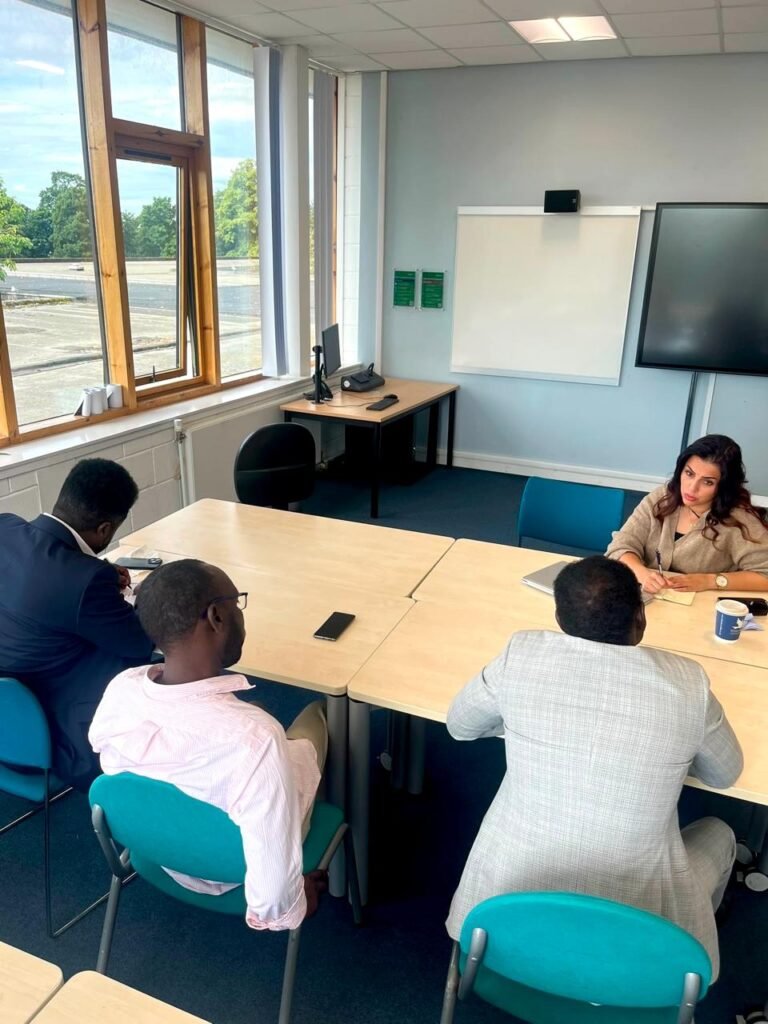
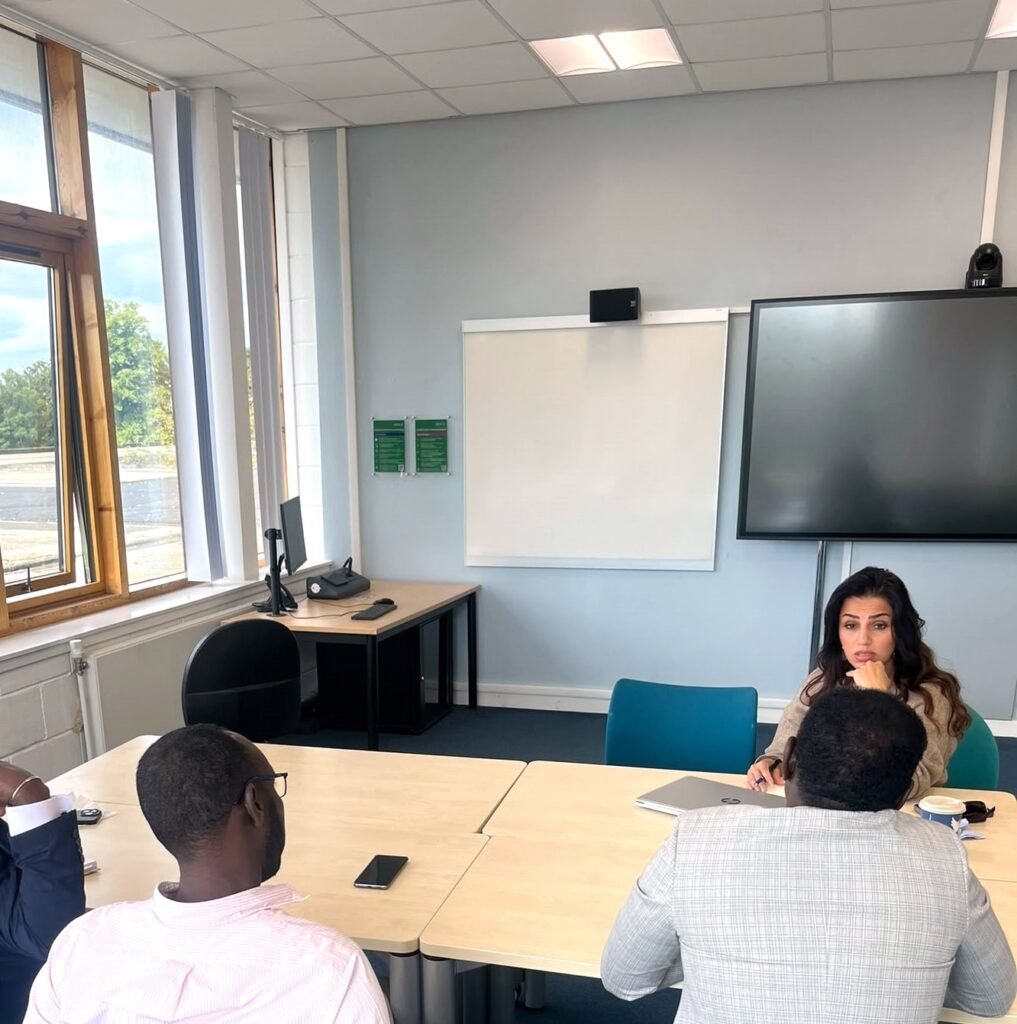
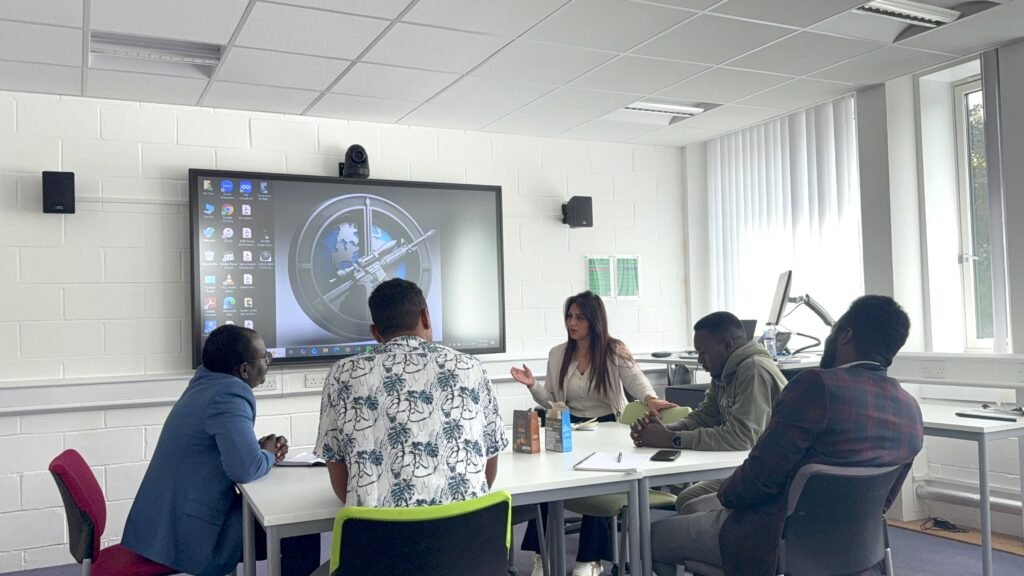
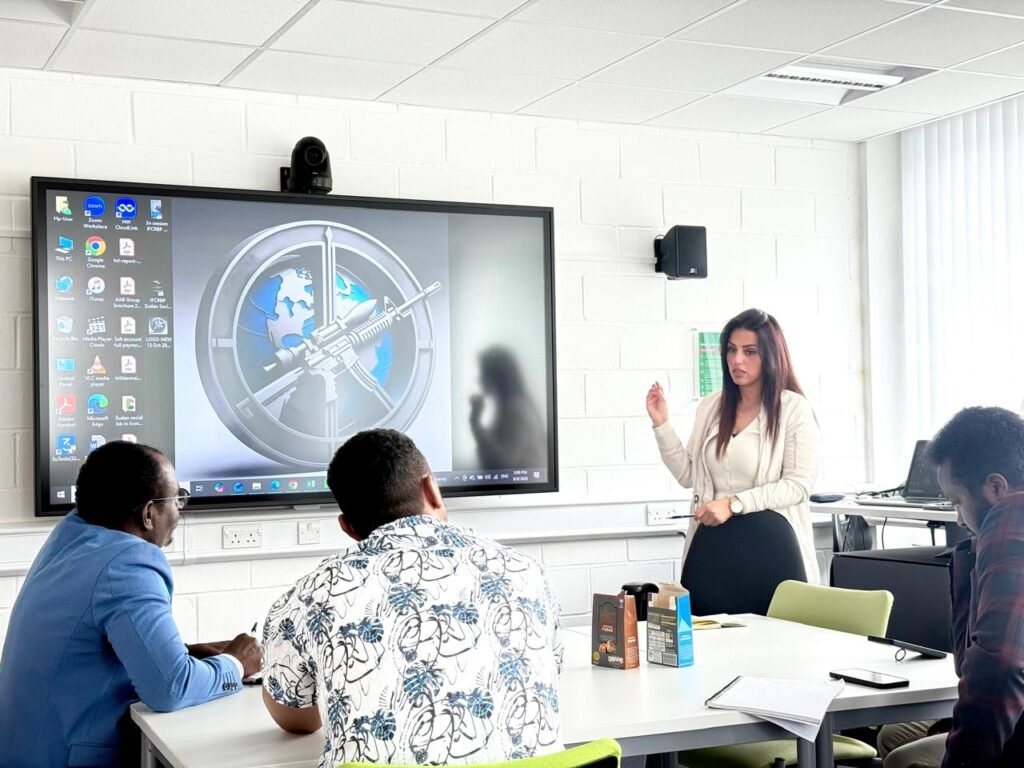
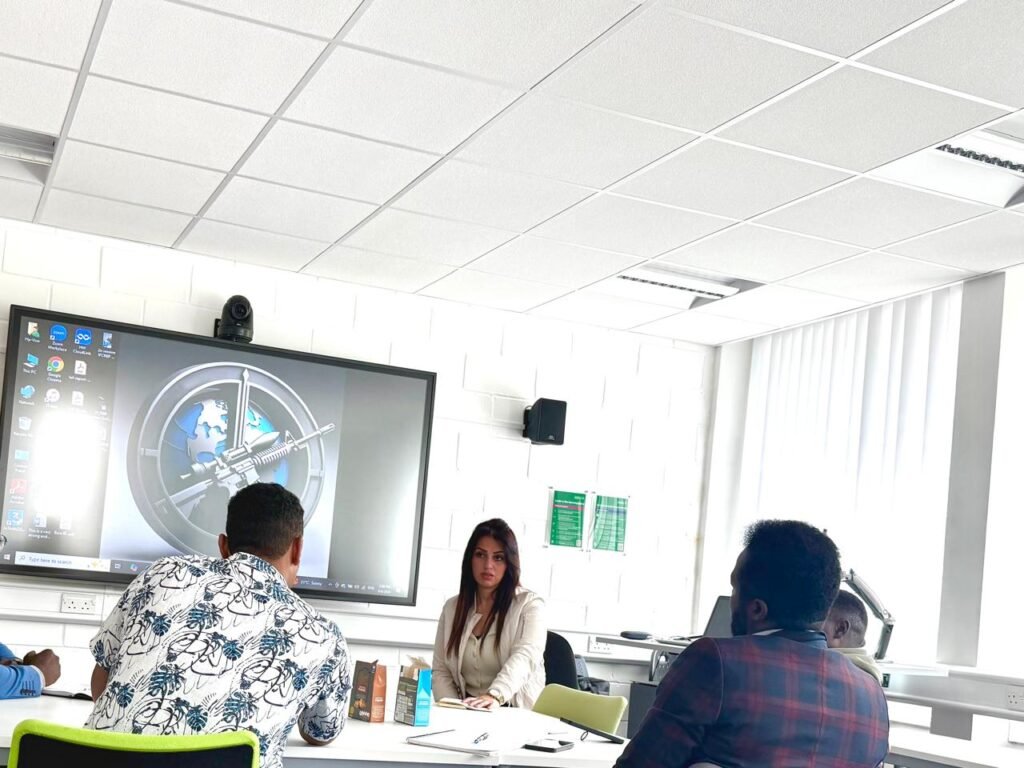
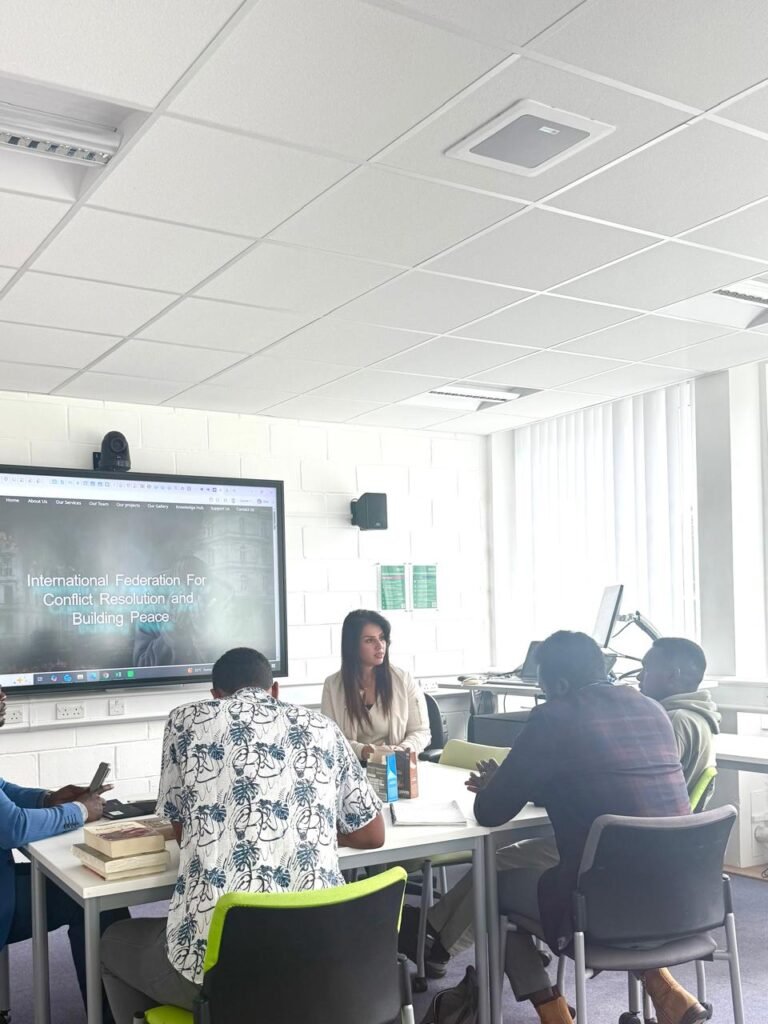
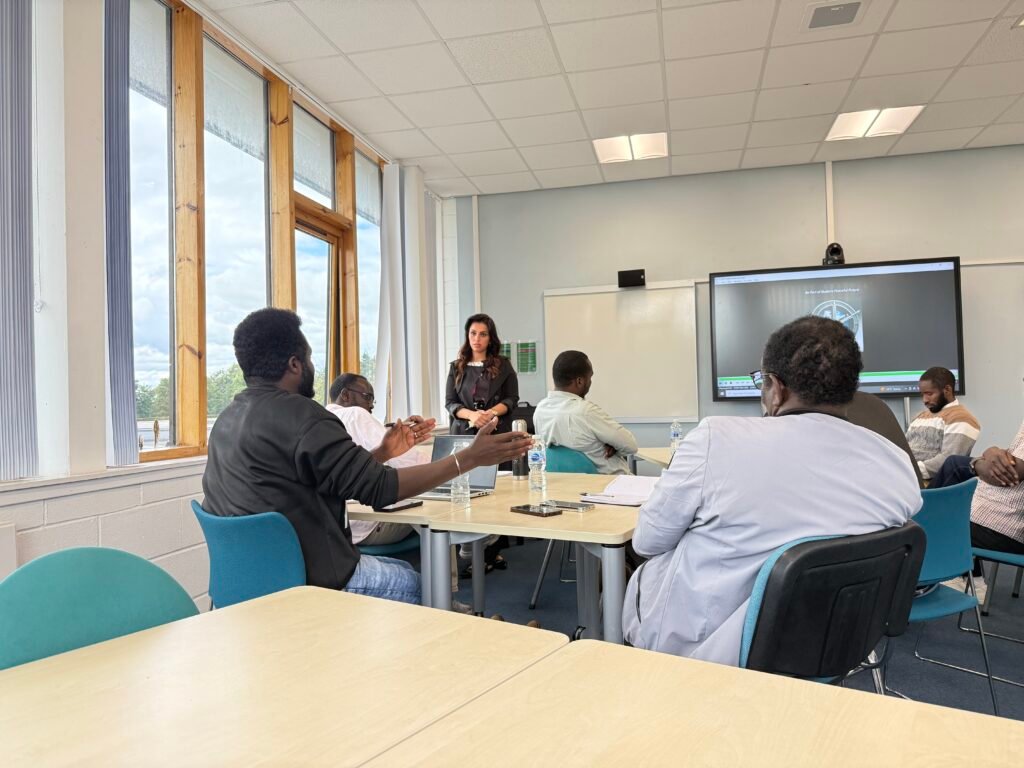
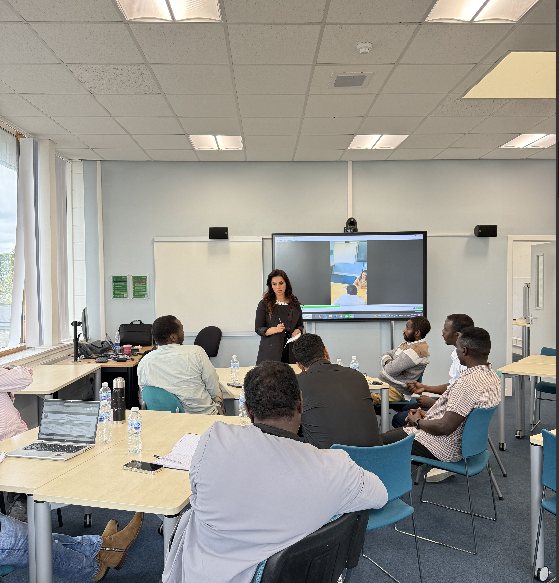
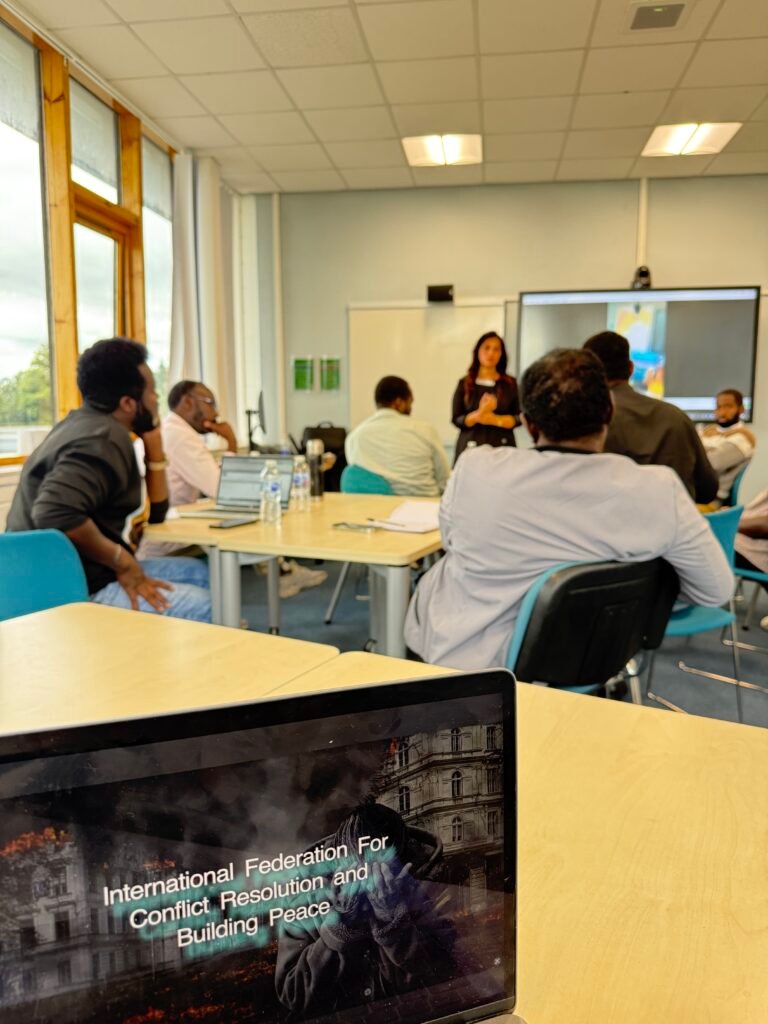
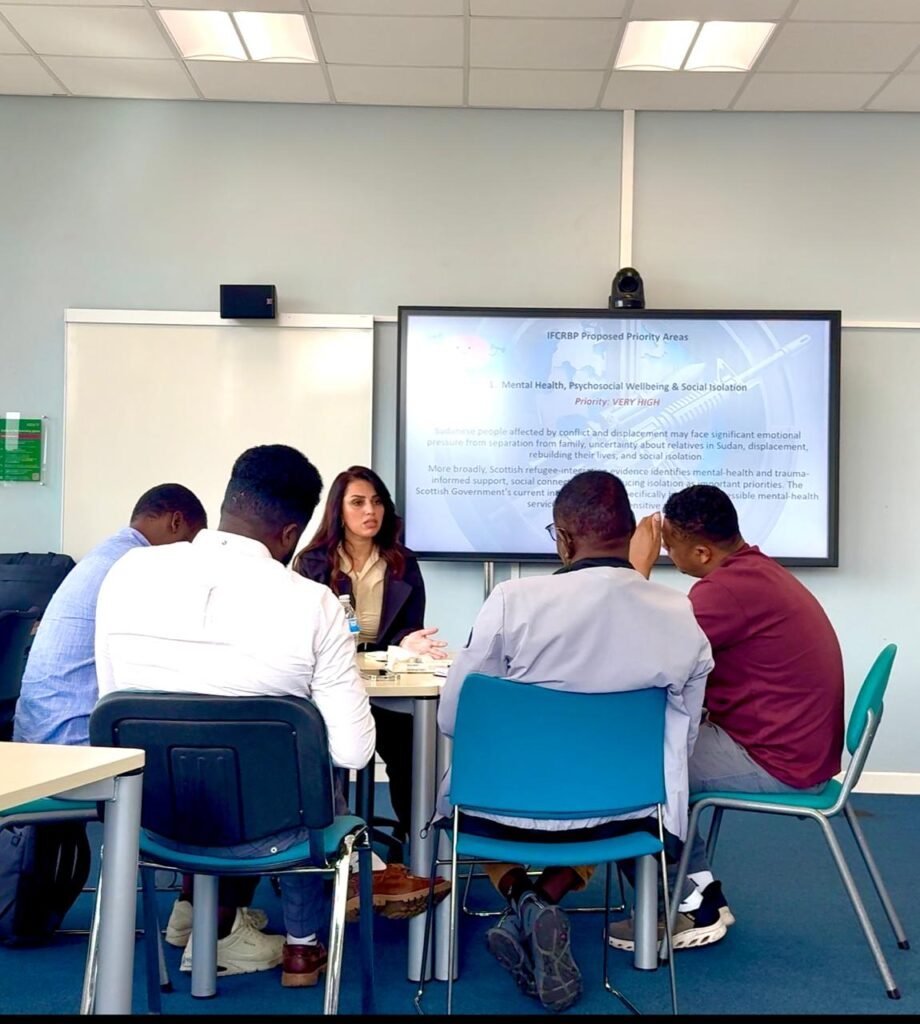
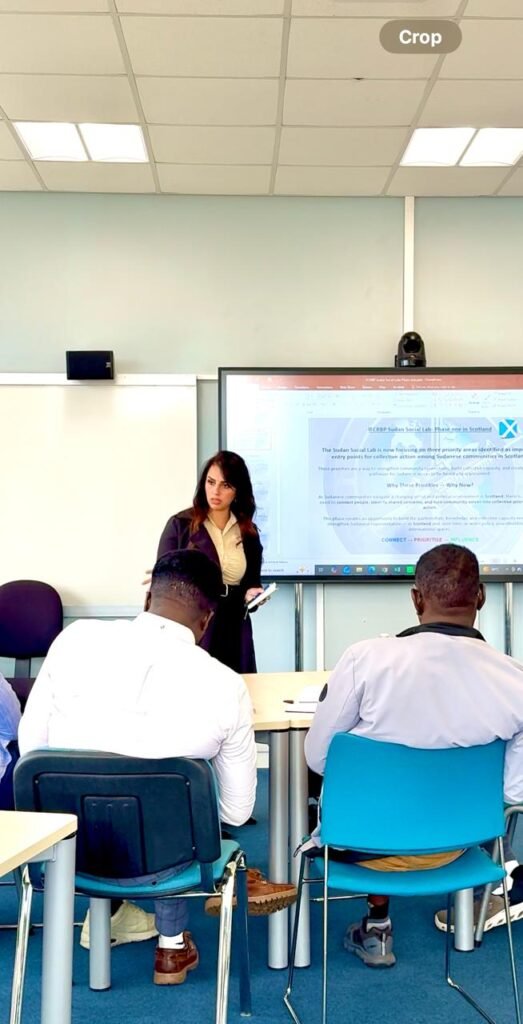
This in-person session brought participants into a purposeful, facilitated discussion exploring who has a role in rebuilding Sudan, how different capacities and perspectives can complement one another, and what it takes to move beyond fragmented efforts towards a shared direction. Through focused and participatory engagement, the discussion encouraged critical reflection, constructive exchange and the identification of common ground, placing collective responsibility and inclusive civilian engagement at the centre of the conversation.
But what did Sudanese participants reveal about the contributions, connections and collective capacities that could shape Sudan’s path towards rebuilding? And what might become possible when these efforts come together?
The reflections and perspectives emerging from these engagements contribute to IFCRBP’s ongoing knowledge and policy development, informing its publications, policy papers, articles and analytical reports, while amplifying Sudanese civilian voices and strengthening their role in shaping the country’s future.
Where Is the Power of Sudanese Civilians?
Uncovering the Potential of the Sudanese Diaspora
What if the power to shape Sudan’s future is not absent, but dispersed, disconnected and yet to be fully recognised?
This session brought participants into a purposeful, facilitated discussion examining the influence, capacities and untapped potential of Sudanese civilians across borders. It explored how the diaspora
can contribute beyond geographical distance, how individual and collective efforts can be connected, and what conditions are needed to transform dispersed capabilities into meaningful collective engagement. Through focused reflection and participatory exchange, the discussion examined
the relationship between civilian agency, connection and the possibilities for shaping Sudan’s future.
But where does civilian power truly lie, and what could Sudanese communities achieve if their knowledge, networks and capacities were connected towards a shared purpose?
The reflections and perspectives emerging from these engagements contribute to IFCRBP’s ongoing knowledge and policy development, informing its publications, policy papers, articles and analytical reports, while amplifying Sudanese civilian voices and strengthening their role in shaping the country’s future.
Who Gets a Seat at the Negotiation Table?
Rethinking Representation and Civilian Participation in Sudan’s Peace Processes
When negotiations shape a country’s future, who gets to decide who speaks for its people, and whose voices remain outside the room?
This session brought participants into a purposeful, facilitated discussion examining representation, legitimacy and participation in Sudan’s peace negotiations. It explored who should have a place at the negotiation table, how different civilian voices and perspectives can be represented, and whether existing approaches to peace negotiations adequately recognise the diversity and priorities of Sudanese society. Through focused reflection and participatory exchange, the discussion challenged conventional assumptions about representation and examined the relationship between negotiation processes and meaningful civilian participation.
But can a peace process truly reflect the aspirations of a society when those most affected by conflict have limited influence over the negotiations shaping their future?
The reflections and perspectives emerging from these engagements contribute to IFCRBP’s ongoing knowledge and policy development, informing its publications, policy papers, articles and analytical reports, while amplifying Sudanese civilian voices and strengthening their role in shaping the country’s future.
Who Can Open the Door to Peace in Sudan?
Examining the Role and Influence of External Peacebuilding Efforts
Can peace be opened from the outside, or does the key lie with those who understand and live the realities of the conflict?
This session brought participants into a purposeful, facilitated discussion examining the role of external actors and international efforts in supporting peace in Sudan. It explored the influence of international and regional engagement, the opportunities and limitations of external interventions, and the relationship between international support and locally grounded priorities. Through focused reflection and participatory exchange, the discussion encouraged critical examination of how external efforts can contribute to peacebuilding while recognising the importance of Sudanese civilian perspectives, ownership and meaningful participation.
But when external actors hold influence, who should hold the key to defining what peace in Sudan should look like?
The reflections and perspectives emerging from these engagements contribute to IFCRBP’s ongoing knowledge and policy development, informing its publications, policy papers, articles and analytical reports, while amplifying Sudanese civilian voices and strengthening their role in shaping the country’s future.
What Holds the Sudanese Diaspora Back?
Understanding Barriers, Divisions and the Challenges of Collective Engagement
If the Sudanese diaspora holds significant knowledge, capacities and networks, what prevents these resources from becoming a more connected and collective force for Sudan?
This session brought participants into a purposeful, facilitated discussion examining the challenges that can limit the Sudanese diaspora’s ability to organise, connect and mobilise towards shared efforts. It explored internal differences, barriers to collaboration, competing priorities and the influence of relationships with host communities on diaspora engagement. Through focused reflection and participatory exchange, the discussion encouraged participants to examine the obstacles to collective action, recognise shared challenges and consider what could enable more constructive connections and united efforts in support of Sudan.
But how can a dispersed community turn its individual capacities into collective influence without first understanding what keeps it divided or disconnected?
The reflections and perspectives emerging from these engagements contribute to IFCRBP’s ongoing knowledge and policy development, informing its publications, policy papers, articles and analytical reports, while amplifying Sudanese civilian voices and strengthening their role in shaping the country’s future.